Species & Origin


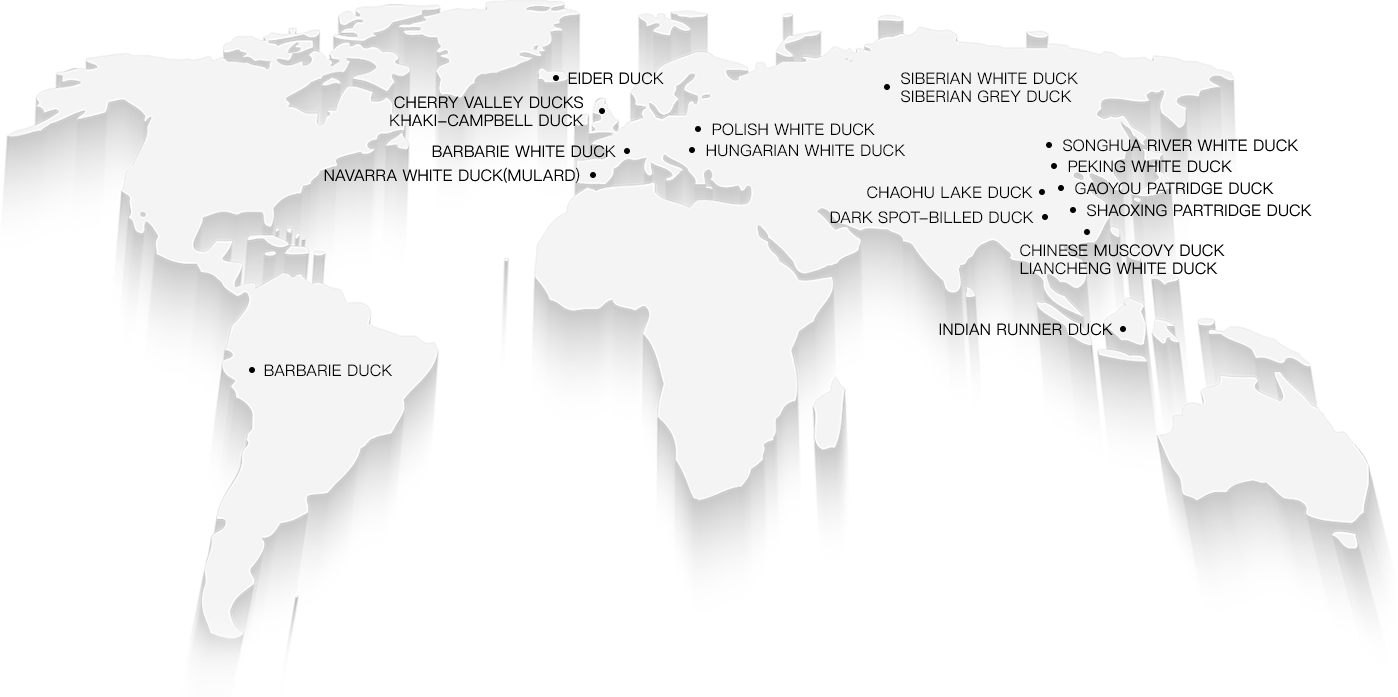
CLASSIFICATION OF DUCKS
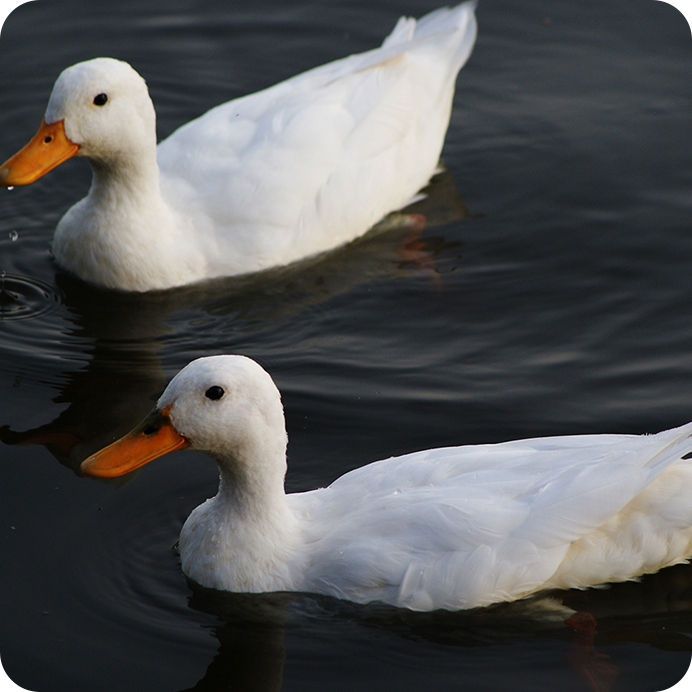
Peking White Duck
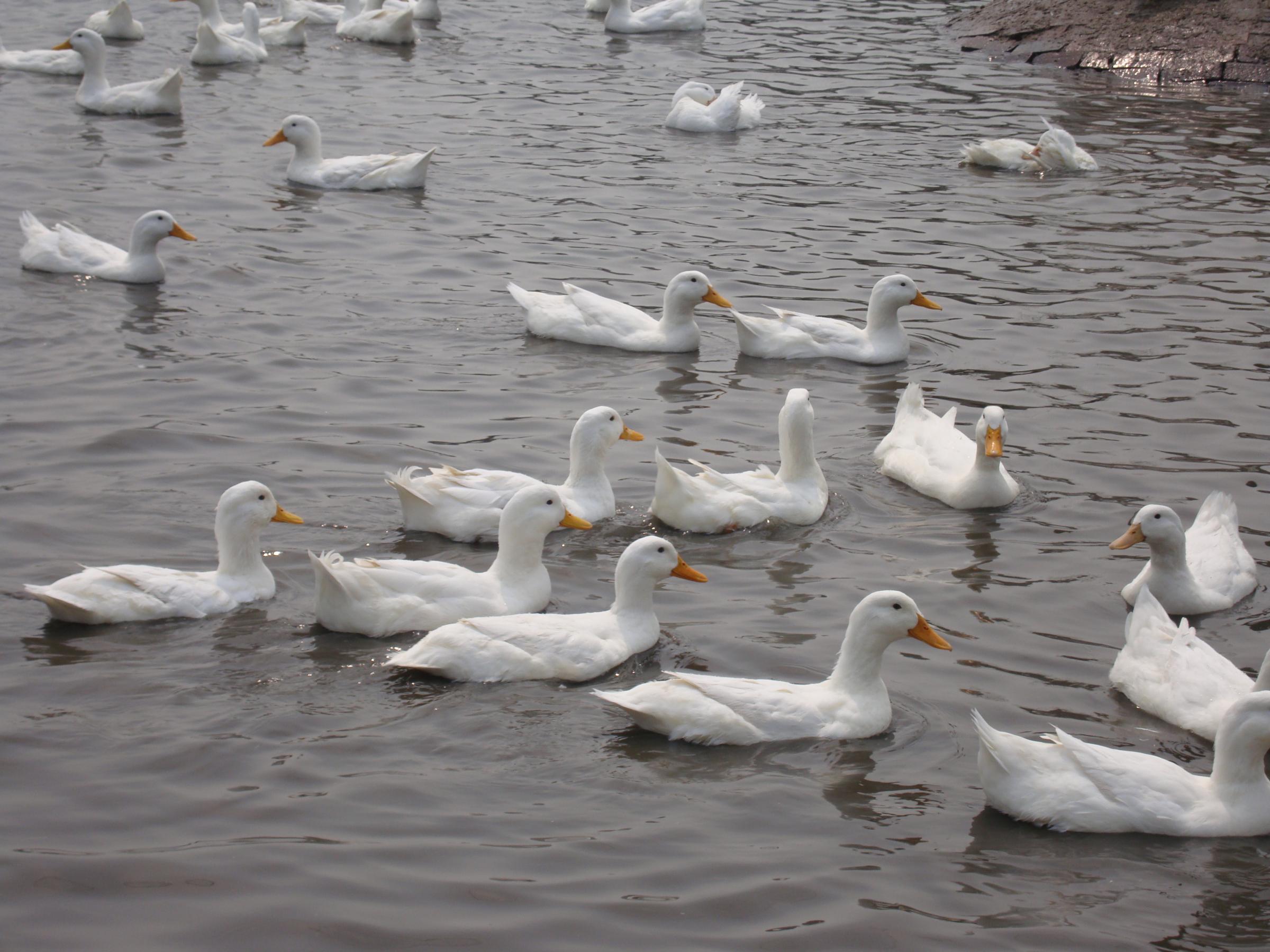
Peking White Duck is a world-famous duck breed for meat purpose. Significant advantages such as early maturity and large body size, it is the main ingredient of the gourmet dish “Peking Duck”. Peking white duck has white plumages with light yellowish color inside. It has rectangle body shape, round chest and flat back. It has small wings on the body side and curled tail at the back. Peking White Duck is originated from Jade Spring Hill in Western Beijing. Now the breeding of Peking White Duck has spread all over the world, it has gained a significant position in global duck breeding industry. European breeders have modified the original Peking White Ducks to Cherry Valley Ducks and Maple Ducks, who are more adapted to bulk industrial production.
Learn more
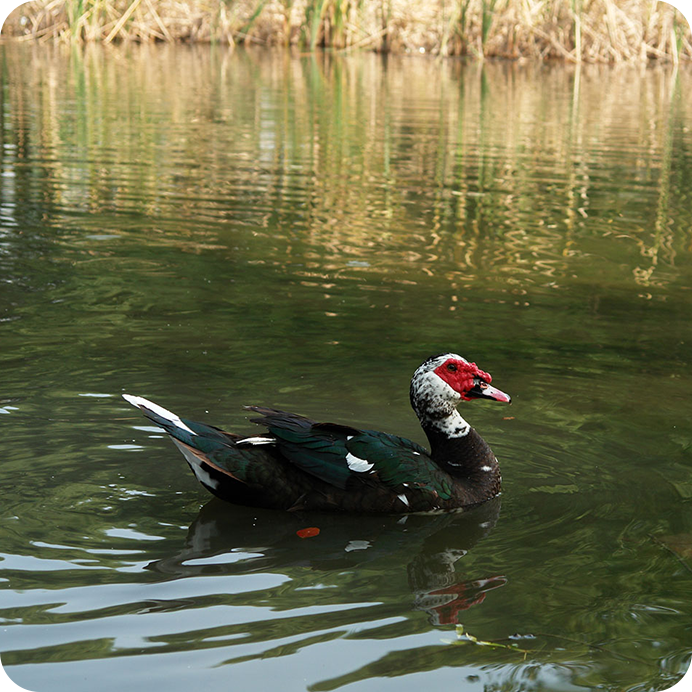
Chinese Muscovy Duck
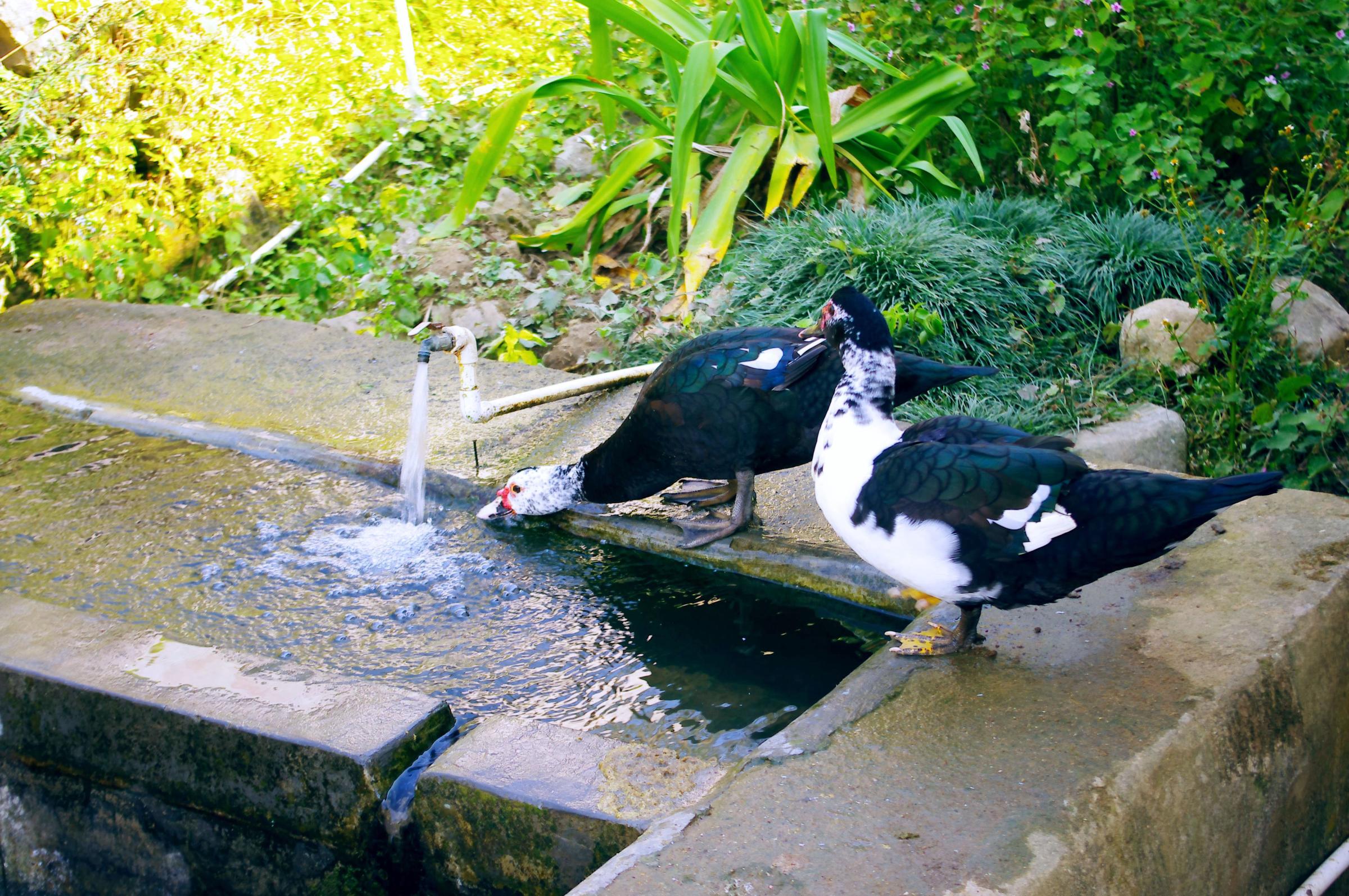
Chinese Muscovy ducks are originated from Middle America and South America. The major production areas are located in Fujian, Taiwan, Hainan, Guangdong and Guizhou Provinces. It is able to live under extreme cold weather (-12 ℃). It can be easily recognized by its red duckbill. It was first discovered in ancient Inca Period in south America, then it was introduced to Europe when Columbus discovered the New Continent in the 16th century. It was finally introduced to Fujian in 1729 by European businessmen. The “Annual of Quanzhou Prefecture” in 1763 said “Muscovy duck looks like a duck but its body size is larger than normal goose, it was introduced from abroad”. The original Muscovy duck has gradually evolved into Chinese Muscovy Duck by the domestication of local farmers. Chinese Muscovy duck has stable genetic performance and more adapt to the local environment, compares to the original Muscovy duck.
Chinese Muscovy Duck has a fusiform body shape, medium head, short and narrow duckbill. At the bottom of the duckbill around the eyes it has red or black balls, and a small ball at the bottom of the upper duckbill. The male duck is stronger than the female duck. On its head there is a row of long feathers, which will rise up if the duck is stimulated. It has wide chest and soft abdomen. It has long feathers on its tail, long wings that are able to reach its tail, short but strong legs. Normally it has black and white plumages, only a few ducks have silver grey color and russet color plumages.。
Learn more
Chinese Muscovy Duck has a fusiform body shape, medium head, short and narrow duckbill. At the bottom of the duckbill around the eyes it has red or black balls, and a small ball at the bottom of the upper duckbill. The male duck is stronger than the female duck. On its head there is a row of long feathers, which will rise up if the duck is stimulated. It has wide chest and soft abdomen. It has long feathers on its tail, long wings that are able to reach its tail, short but strong legs. Normally it has black and white plumages, only a few ducks have silver grey color and russet color plumages.。
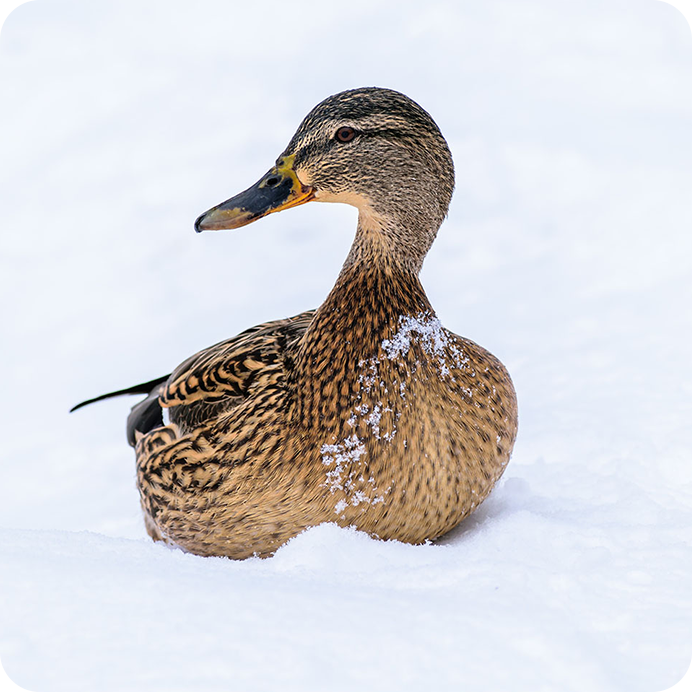
Gaoyou Partridge Duck
Gaoyou Partridge Duck is a dual-purpose duck breed. One of the most famous duck breeds in China. The female Gaoyou Partridge Duck has brown color plumages with tiny black spots on its body, just like sparrows. It has brown eyes, black feet with brown webs. While the male Gaoyou Partridge Duck has larger body size, broad shoulder and flat back. Half of the neck feather is green and another half is brown. The male one has white abdomen, black hip, green duck bills, black feet with orange web. Gaoyou Partridge Duck is good at diving and also strong food adaptability. The Gaoyou Partridge Duck is easy to fatten, both its meat and eggs have excellent quality because they are usually bred freely in lakes or wetlands.
Learn more
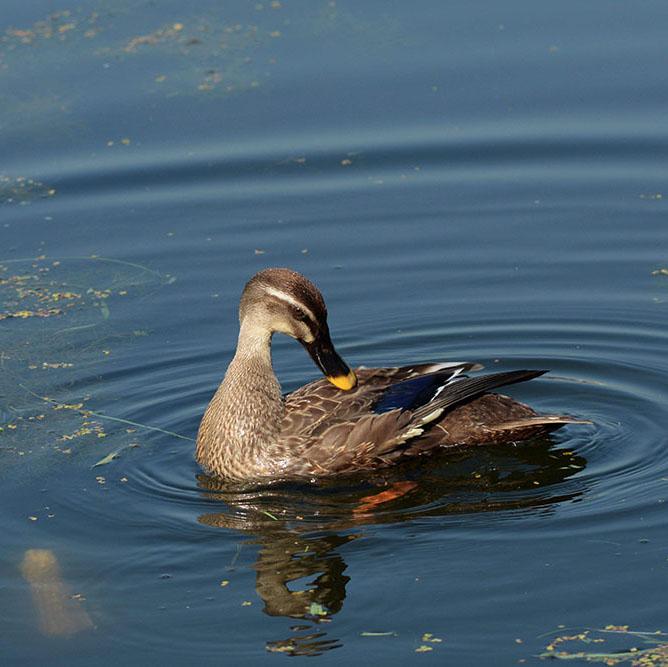
Dark Duck
The dark ducks belong to a wild duck breed, which is called the Spot-Billed Duck. As the ancestor of the part of Chinese domestic ducks, these polyphagous birds are good at flying. Their main food are plant seeds, leaves, roots, snails and insects. They are allowed to be bred in natural lakes or wetlands. They usually need longer breeding period, therefore they have matured and large down clusters comparing to other ducks.
Learn more
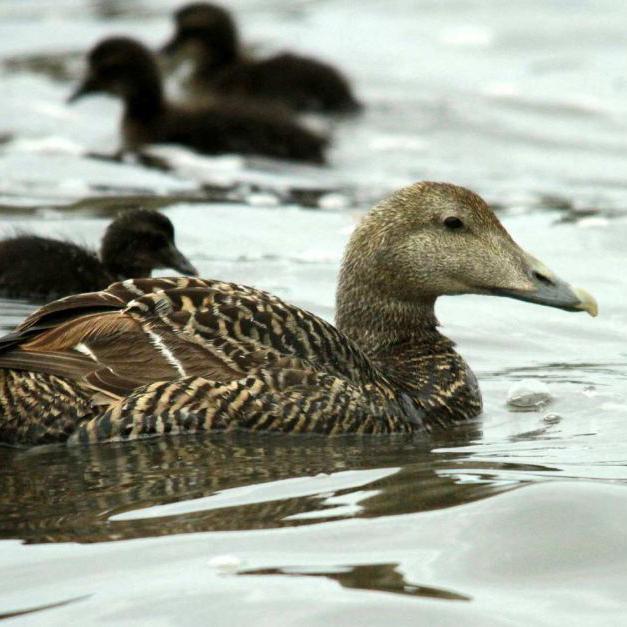
Eider Duck
Eider duck is a kind of wild duck with large body shape which has been protected by Iceland law 100 years ago. Its Latin name is: Somateria Mollissima. The male eider duck has white body plumages with black head, black abdomen and black tail. While the female eider duck usually has dark brown body plumages. Every spring, eider ducks will gather at the North Atlantic coast for nesting. Each mother duck plucks off around 17 grams of brown-grayish, soft duck down from its chest. Mother duck piles her down clusters around her nest to maintain the temperature for hatching. After the ducklings are hatched, all the eider ducks will go back to Atlantic Ocean. The eider down remained in the duck nests then become the unique premium eider down in the world.
Learn more
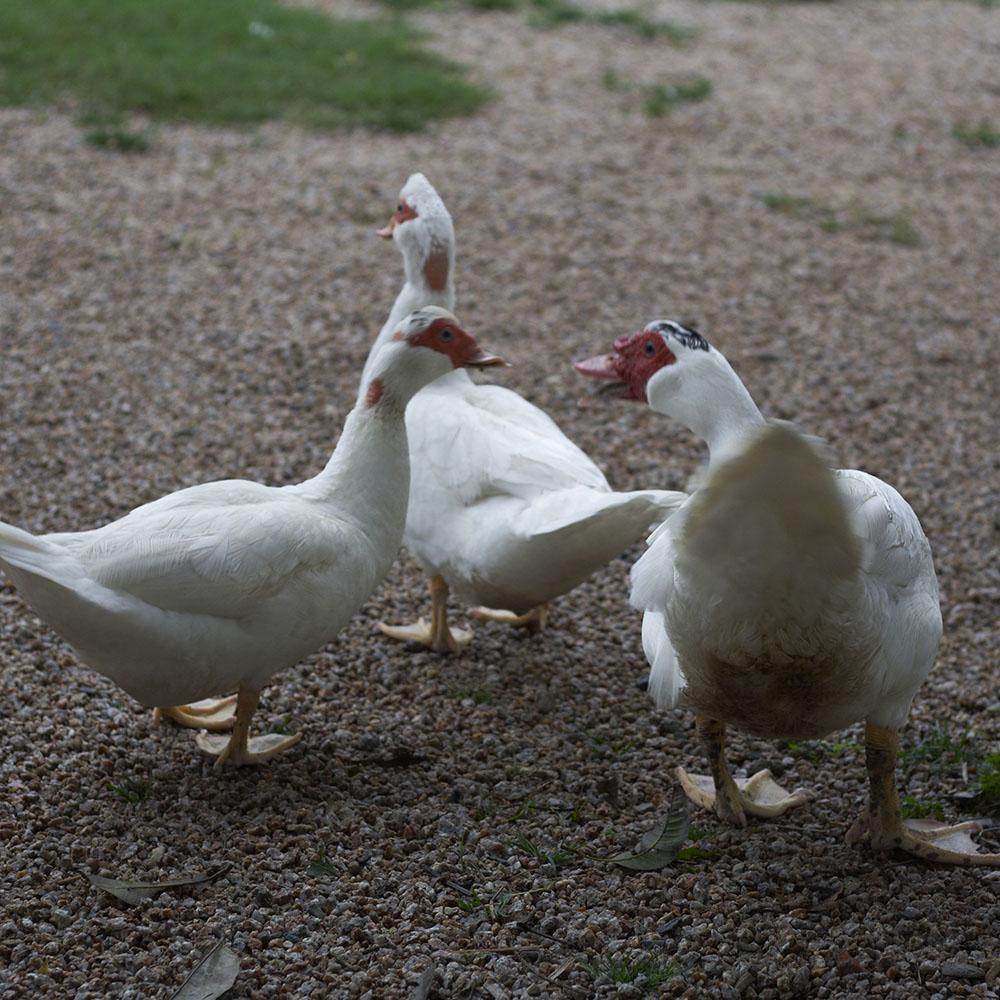
Barbarie Duck
Barbarie duck is a French exclusive duck breed. The first discovery of Barbarie Duck was in South America during the Inca Period. When Christopher Columbus discovered American Continent in middle ages, he brought the Barbarie ducks back to Europe. Nowadays over 95% of Barbarie ducks are bred in France, the Latin name is Carina Moschota. They are able to live in extremely cold weather (-12℃), they could be easily recognized because of their red bills. They have been lived in wild for a long time, they have large bodies, longer breeding time and mature, large down clusters.
Learn more
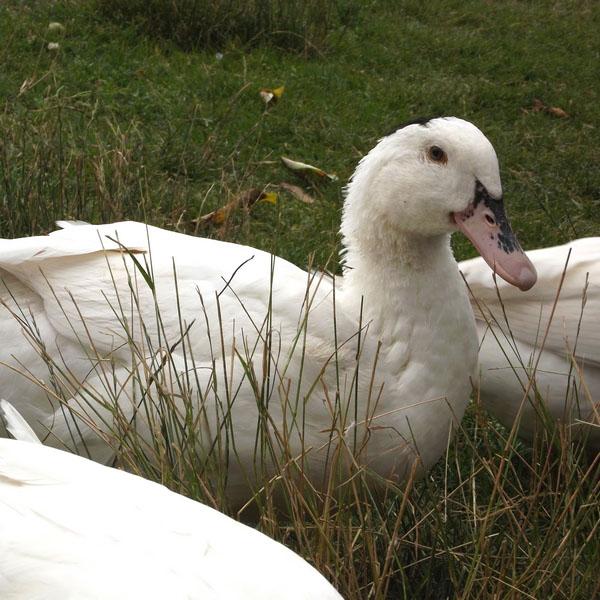
Navarra® Duck (Mulard Duck)
Navarra White Duck, also known as the Mulard Duck, is a Spanish duck breed. Their bodies are covered by long curved white feathers. Navarra duck is a hybrid breed between Muscovy Drake and Peking Duck. Navarra ducks are fed by 100% vegetarian fodder and they need to be bred for 14 weeks in free range farms. Benefit from the fresh air and natural lands on Navarra Plateau in Pyrenees Mountains, Navarra white duck down has the advantages such as warm, breathable and comfortable hand feel.
Learn more
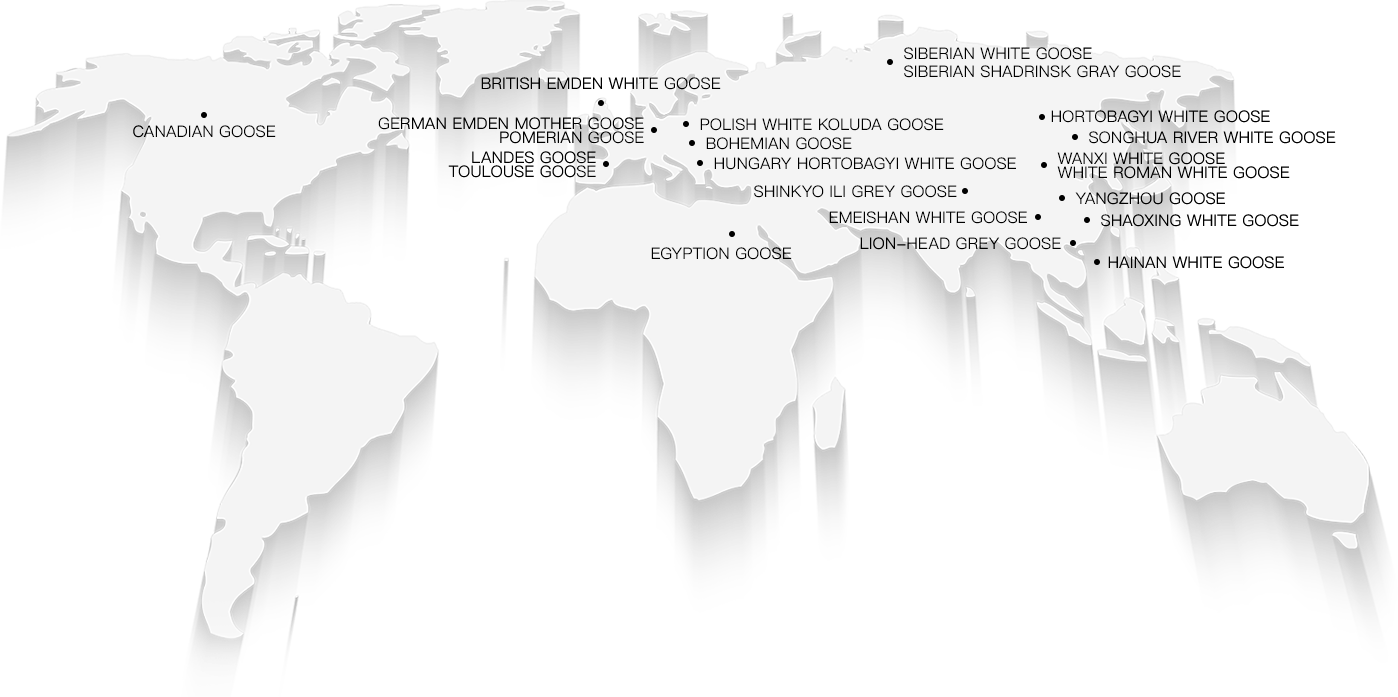
CLASSIFICATION
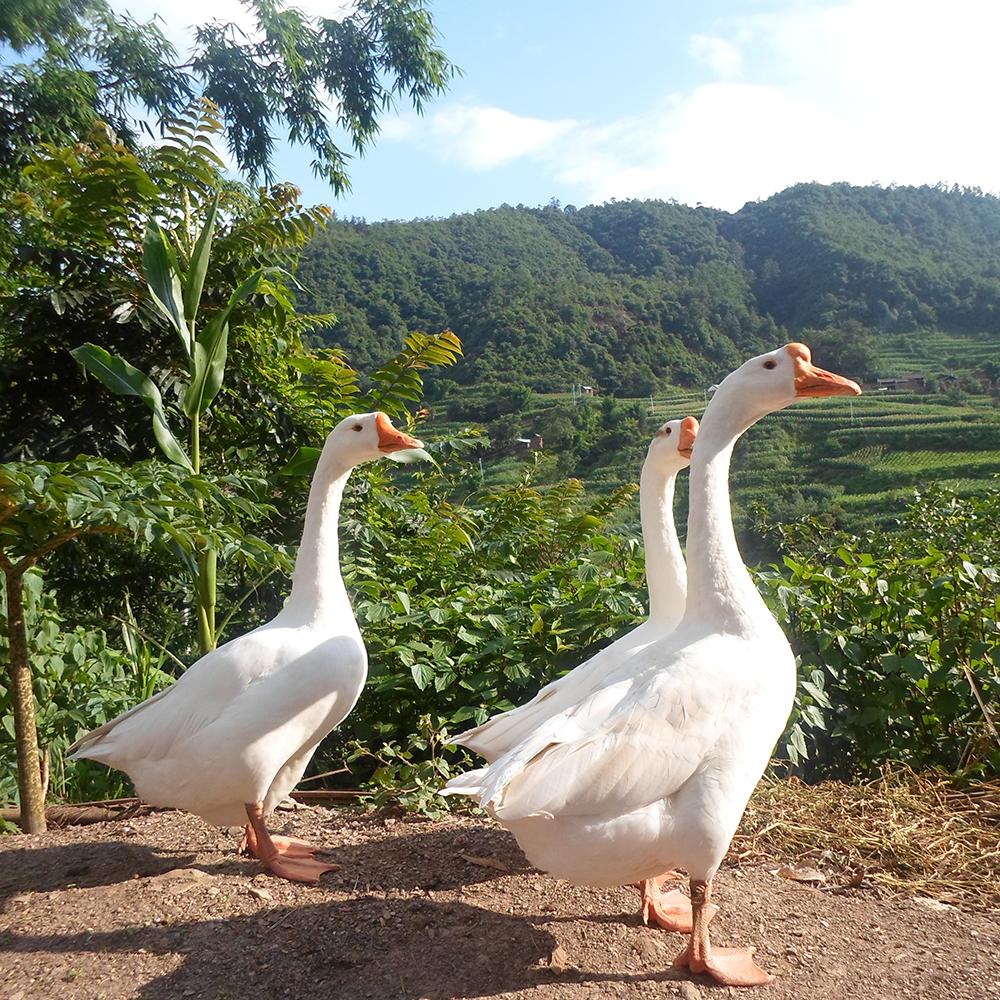
Emeishan White Goose
Emeishan White Goose belongs to Sichuan White Goose breed. Emeishan White Goose has pure white feathers, red beak, red feet and red webs. Their main habitats are located in Emeishan, Leshan, Wenjiang, Yibin and Yongchuan. The main production area of Sichuan white geese locates in Emeishan and Leshan (altitude 300-800 meters). The geese are usually bred by traditional free-range methods. Accredit to the natural outdoor living environment, their feathers guarantee the extraordinary comfort and resilience performance of the down products.
Learn more
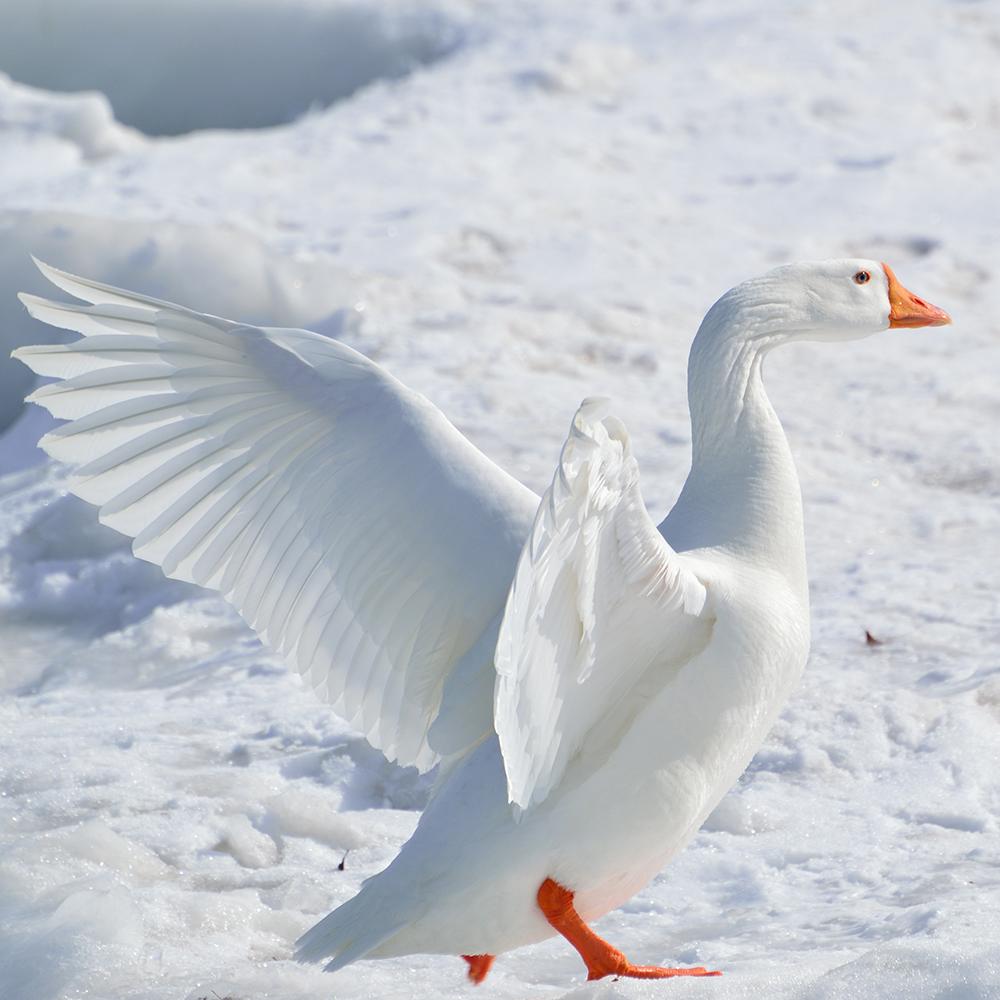
Hortobagyi White Goose
Hortobagyi white goose has a large body covered by plump, fluffy, pure white plumages. It also has broad, smooth chest, ovalized large head with blue eyes and jacinth beak. The orange feet and webs make sure it can run fast. Unlike the lion-head goose, it does not have sarcoid on its head. The goslings have grey-brownish feathers on their backs. Hortobagyi goose is an outstanding goose breed from Hungary, the Hortobagyi goose down has excellent qualities such as higher down content, pure white color, large down clusters, fewer residues, soft hand feel and high fill power.
Learn more
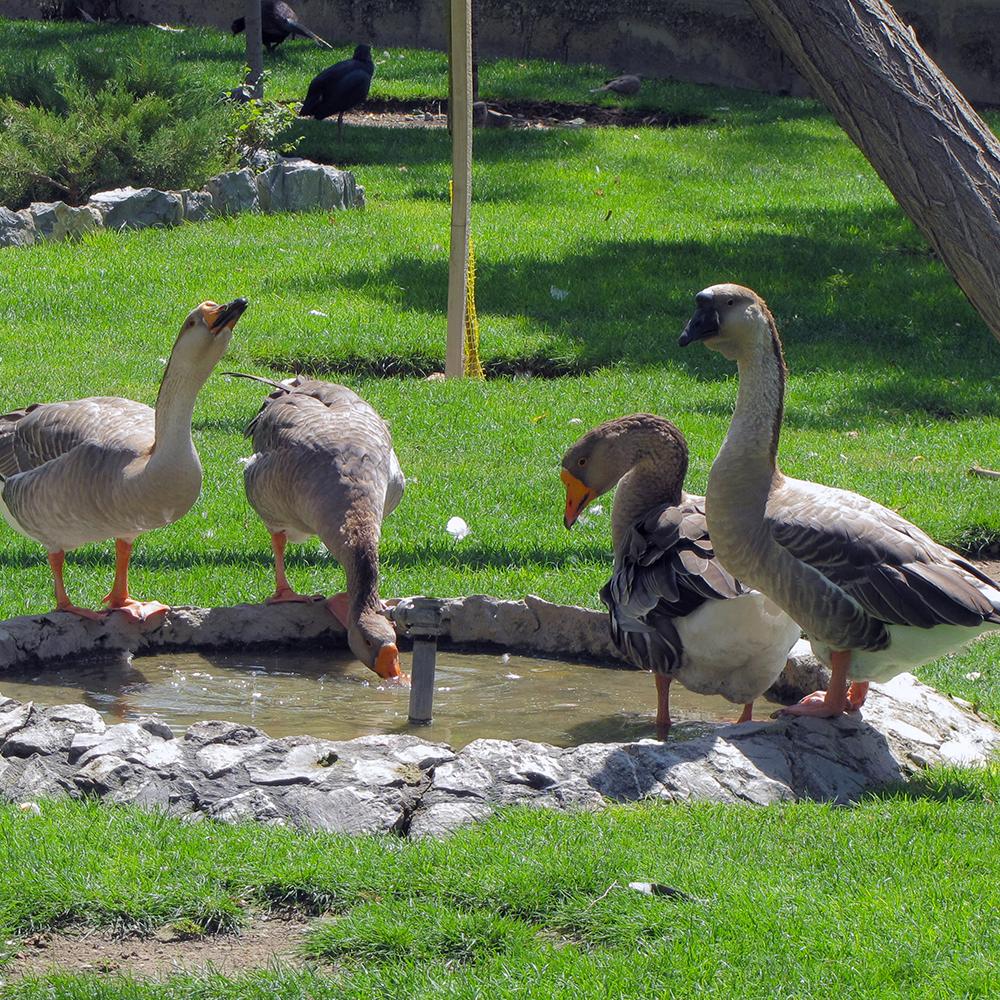
Lion-Head® Goose
Lion head® goose belongs to graylag species. It is one of the large goose breeds in the world, which is bred and developed by domestic farmers. It was originated from Fuping village, Raoping county in Guangdong. Now lion-head geese are bred in the suburbs in Chenghai, Chaoan, and Shantou. Lion-head goose has gray-brown or silver-gray plumages on its back, and while white feathers on its belly. It has a big head, small eyes, and sizeable black sarcoid on the top and both sides of its head. The sarcoid grows with age, makes their head shape looks like a lion head; that is the reason they are also called “lion-head geese”.
Learn more
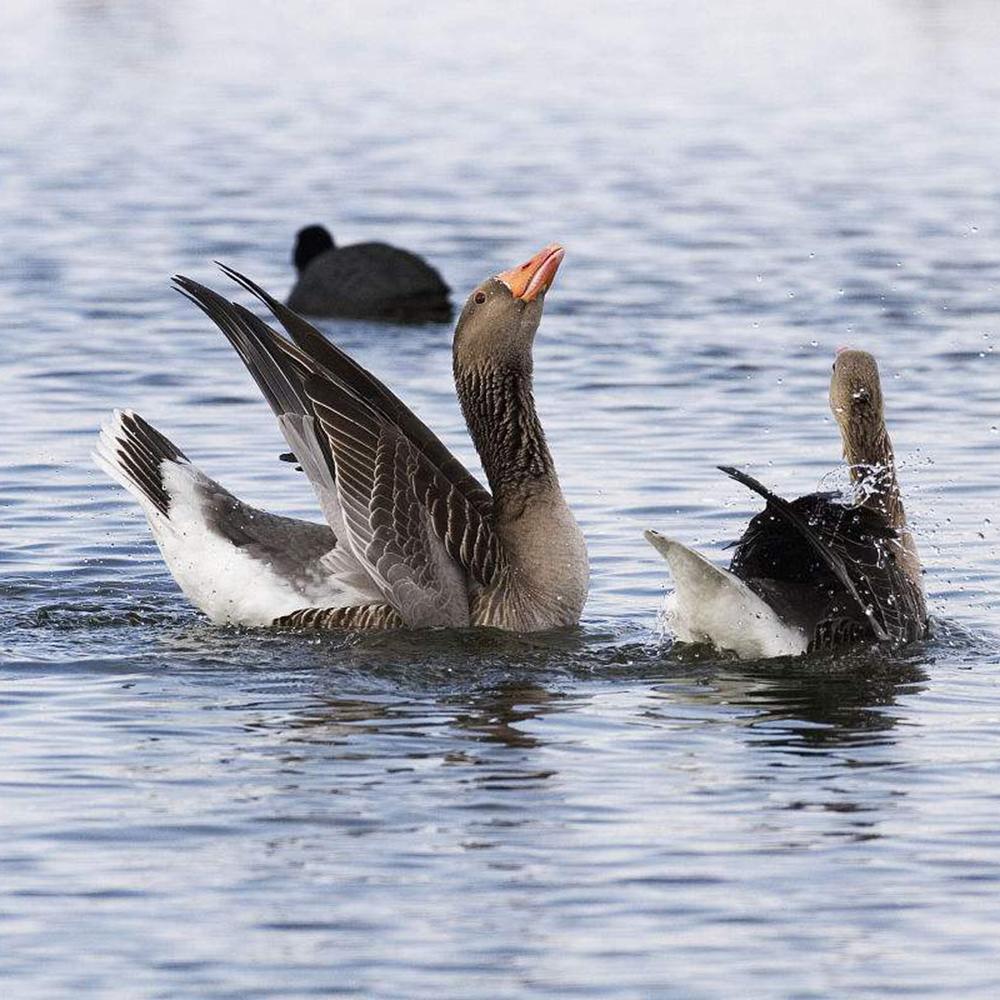
Shinkyo® Ili Grey Goose
Shinkyo® ILI grey goose is the goose species that comes from grey goose in China. Small scale but precious goose species. They were domesticated about 200 years ago, and their biological characteristics and production performance are still similar to their ancestor. ILI grey geese are able to fly, growing in one of China's four major grasslands – ILI grassland, Xinjiang. The colour of ILI grey goose down is silver gray, the amount of annual production is only 5 tons.
Learn more
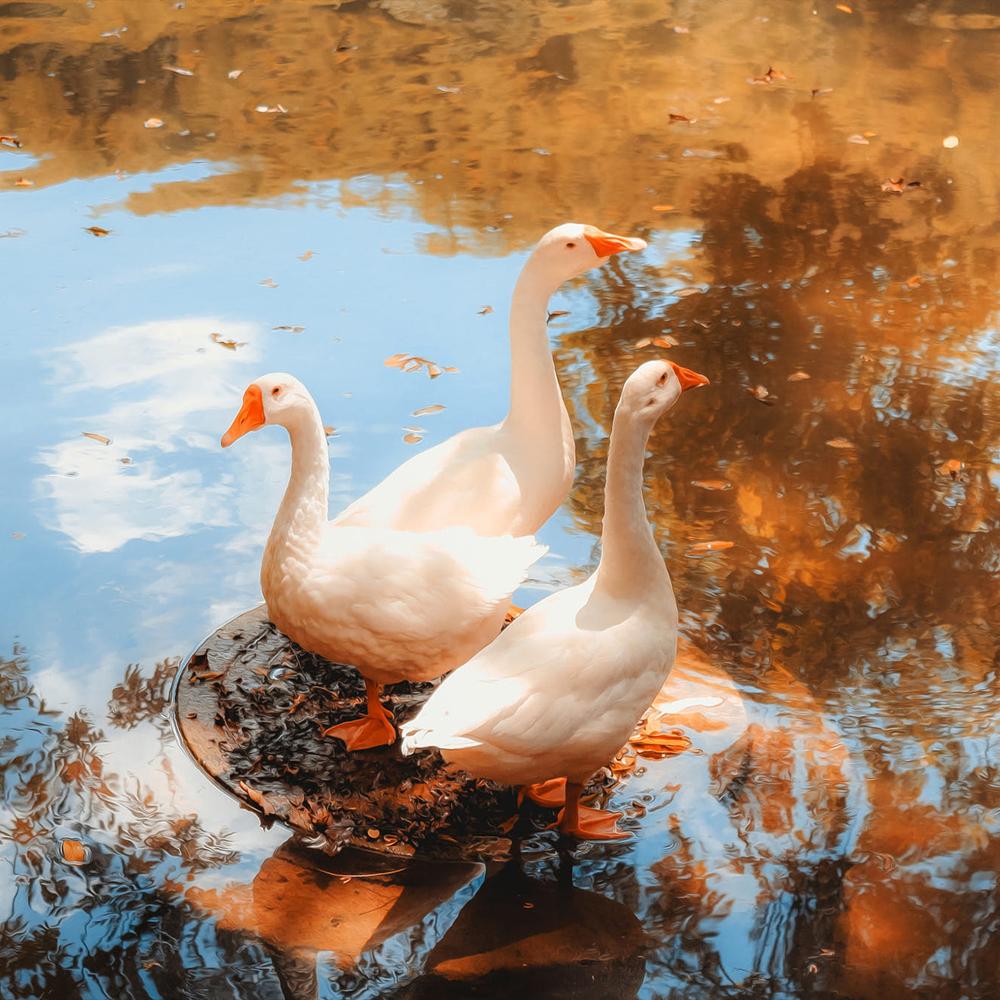
Songhuariver® White Goose
The Songhua river® white goose belongs to Amur river white goose, which is mainly bred in Suibei and Songhua river regions. The goose species has the characteristics of cold weather resistance and strong egg-laying ability.
Songhua river white goose is famous for its pure white feathers and abundant down volume. The Songhua river white goose has a small oval body shape. Pure white feather, slender neck with small sarcoma on its head. It has a pharyngeal pouch under its jaw. It has an orange beak, orange feet and webs, blue-gray eyes. The abdomen is tight. Local farmers welcome Songhua river white goose because of its fast-growing, strong adaptability, high egg production, cold resistance, and other advantages. Heilongjiang Institute of Animal Husbandry has set up a goose conservation farm, to protect and improve the Songhua river white goose breed. Moreover, Heilongjiang Academy of Agricultural Sciences has set up a goose breeding engineering center for Songhua river white goose.
Learn more
Songhua river white goose is famous for its pure white feathers and abundant down volume. The Songhua river white goose has a small oval body shape. Pure white feather, slender neck with small sarcoma on its head. It has a pharyngeal pouch under its jaw. It has an orange beak, orange feet and webs, blue-gray eyes. The abdomen is tight. Local farmers welcome Songhua river white goose because of its fast-growing, strong adaptability, high egg production, cold resistance, and other advantages. Heilongjiang Institute of Animal Husbandry has set up a goose conservation farm, to protect and improve the Songhua river white goose breed. Moreover, Heilongjiang Academy of Agricultural Sciences has set up a goose breeding engineering center for Songhua river white goose.
白鹅.jpg)
Wanxi White Goose
Wanxi White Goose has a muscular body, chin-up posture, arched neck, broad chest and flat back. Snow white down and feathers cover all over its body, on the top of its head there is an orange sarcoid, the shape of its head looks like a lion’s head. The body characters of Lion-Head White Goose: 1. Large body, the average weight of adult male geese can reach 6.8kg, female geese can reach 5.0 ~ 6.0kg; 2. Less feeding requirements, its main food are grass and grain; 3. Superior meat quality, an ideal ingredient of "Roasted Goose" and "Bacon Goose", fresh and delicious with unique taste; 4. High volume of down production, large down clusters, fantastic fill power; 5. Goose skins can be made into fur clothes, soft and fluffy, good insulation ability; 6. High body posture with clear voice.
Learn more
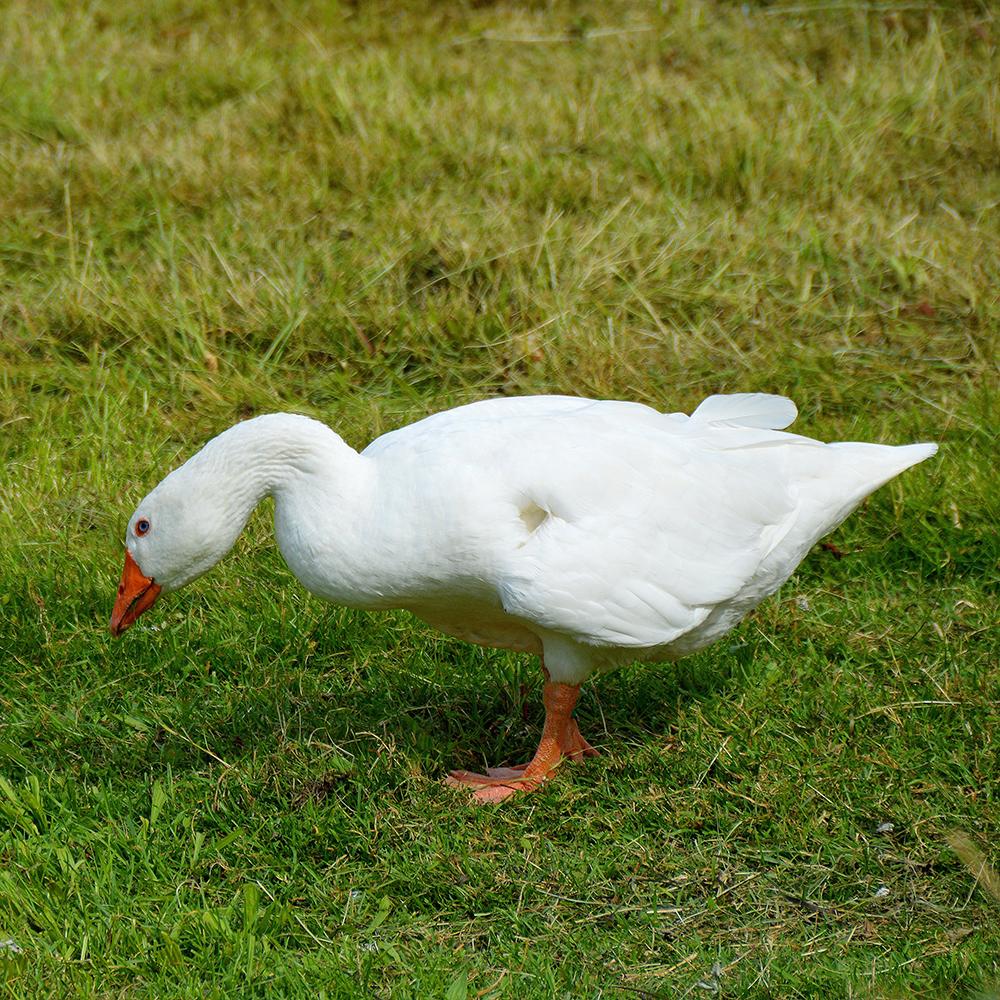
White Roman® White Goose
White Roman White Goose is an ancient European species, it is originated from Italy. It is a meat product purpose goose breed which was introduced by Taiwanese, its breed proportion weights more than 93% in Taiwan goose breeding business, it is also called Taiwan Giant White Goose. It has been introduced from Taiwan to Chinese Mainland for scientific breeding in recent years. White Roman White Goose belongs to medium size goose range. Snow white plumages cover all over its body. It has blue eyes, jacinth mouth and feet. Special body figure in a round shape, like a ball, with short neck, back and body. Average weight for an adult male goose’s is 7.5kg, while the average female goose is 6.5kg. White Roman goose down is famous for its pure white color, large down clusters and high fill power.
Learn more
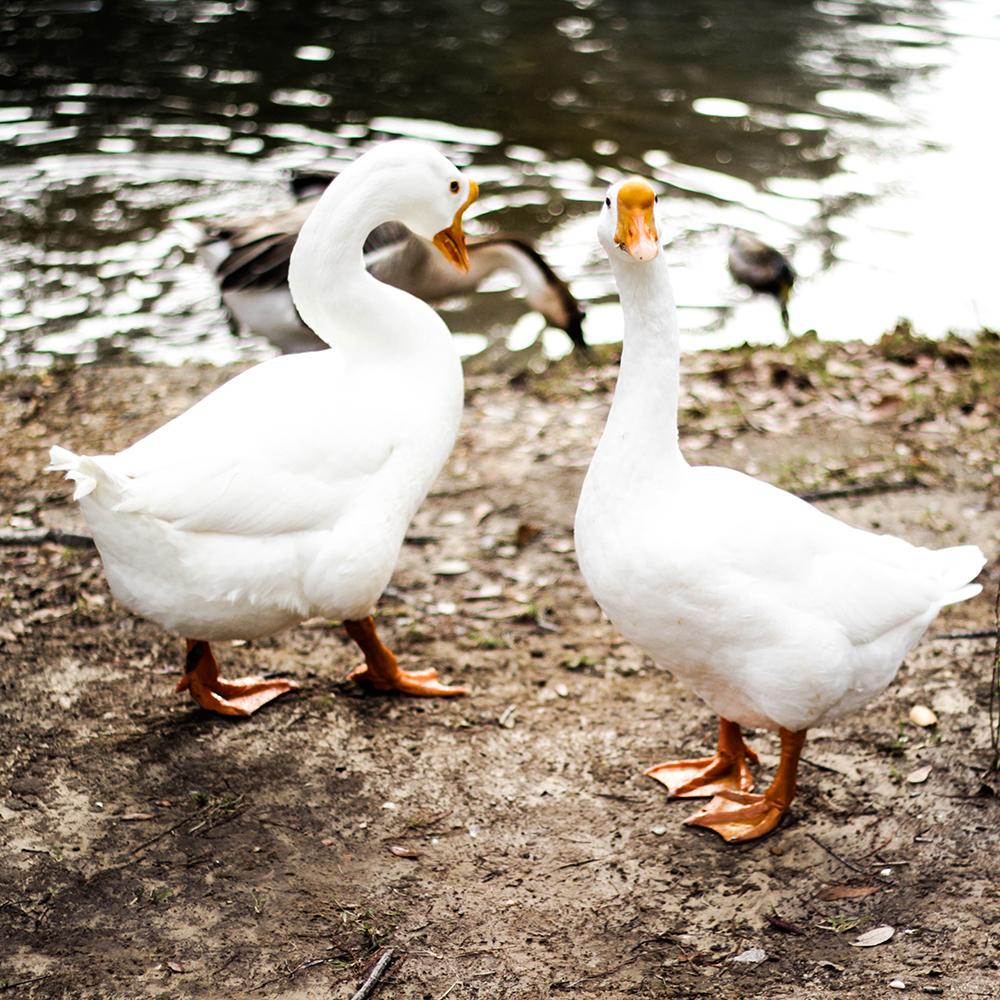
Zhedong White Goose
Zhedong White Goose is classified as Shaoxing White Goose breed, the geese are bred in Eastern Xiangshan, Ningbo, Zhoushan and Shaoxing area. The production areas are crossed with rivers, lakes and ponds. It has adequate water and grass resource. In the ancient times, this area has been a place for wild geese to rest on their way. Wild geese were caught by local residents, after a long time of domestication they have evolved into domestic geese.
Learn more
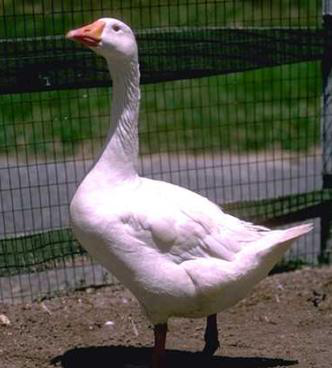
Hungary White Goose
The breed of Hungary White Goose belongs to Hortobagyi White Goose. They are usually bred in natural outdoor environment. Hungary belongs to the continental climate which has four distinctive seasons such as warm summer and cold winter. It is usually warm during the daytime and cold at night. Temperature difference can reach 10-15℃ within 24 hours. This encourages the geese to grow out more plumages to against the cold weather. They have large body size and long breeding period so they can have more mature down clusters. The goose skin is white as well. Their plumages have higher volume of down content, large down clusters, less residues and better fill power performance. Average weight: 6-7kg.
Learn more
.jpg)
German White Goose
Farms in North and Northwest Germany are renowned for breeding genuine German Emden mother geese. Emden mother goose is originated from the Emden City in Germany. This large ancient goose breed has characters such as early maturity, premium meat quality and easy to fatten. They are well bred in the clean and peaceful farms near grasslands, mountains and lakes. German Emden geese are renowned for their large body size and extraordinary feather & down quality. After years of breeding, breeders have accumulated numerous practical experiences, therefore they are able to develop the product quality, such as their bushy feathers provide outstanding insulation performance.
Learn more
.jpg)
Polish White Goose
The Polish National Research Institute of Animal Breeding has started to develop and breed a white goose species called “White Koluda” since 1962. All the parental (so-called “Mother Goose”) farms in Poland are ordered to purchase their geese from only one source – a state-run farm in Koluda Wielka. All the hatcheries in Poland must acquire license from the government and they must not hatch any goose egg other than “White Koluda” goose egg. Even after the transition to free-market economy in 1990’s, this state monopoly policy still applies. It provides the transparency and traceability of raw materials of “White Koluda” down.
Pure Poland originated white goose is recognized as the goose breed which has biggest down clusters and highest density. Their major food is avena fatua. Polish goose is able to live in extreme cold weather (-30℃), accredits to its thick feather which grows on its breast and abdomen.
Learn more
Pure Poland originated white goose is recognized as the goose breed which has biggest down clusters and highest density. Their major food is avena fatua. Polish goose is able to live in extreme cold weather (-30℃), accredits to its thick feather which grows on its breast and abdomen.
.jpg)
British White Goose
British White Goose is classified as Emden Goose breed. Emden goose originates from the Emden city in Germany. Emden goose was originally hybrid between Italian white goose and northern Dutch white goose. The body of Emden goose became larger after continuously breeding and developing. Emden goose are now mostly bred in England and North America. The Emden white goose has some special characters such as blue eyes, large body size, orange beaks, shins and webs. The adult Emden goose has white color body with high volume of down content. Like most of European white geese, the baby Emden geese may have different colors on their plumages, but all the plumages will turn white when they grow up. Generally adult male goose weights 9-15kgs,while female goose weights 8-10kgs.
Learn more
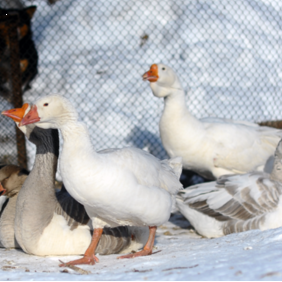
Siberian White Goose
Linda goose - large body (8-12 kgs), fast growing, white plumages, excellent tolerant of adverse weather conditions and food conditions.
Kholmogory goose – ability to adapt harsh habitants, their down, feather, eggs and meat are in good quality.
Krasnozerskoye goose – the new breed developed after 2000, frost-resistant, hardy, they have excellent egg productivity, up to 300 grams of feather and 75 grams of down on each adult goose.
Learn more
Kholmogory goose – ability to adapt harsh habitants, their down, feather, eggs and meat are in good quality.
Krasnozerskoye goose – the new breed developed after 2000, frost-resistant, hardy, they have excellent egg productivity, up to 300 grams of feather and 75 grams of down on each adult goose.
.jpg)
Siberian Gray Goose
Shadrinsk (Ural) goose - best species of wild grey goose. It has well-developed body and grey plumages. Some of its feathers are mixed with white and other piebald color.
Learn more
Gold Fur Belt
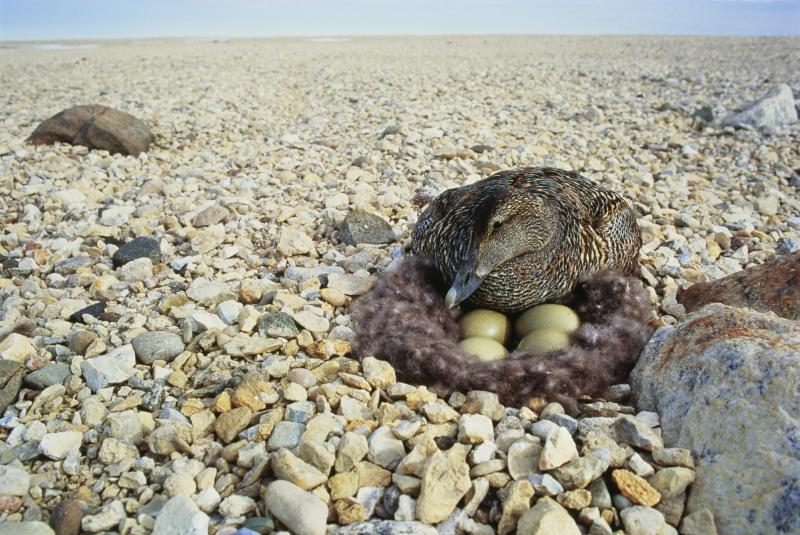
Greenland
Diamonds
Eider Down
Greenland locates in the Arctic Circle. There is no sunlight in this region during the long period of the winter season. On the other hand, in summer, the sun shines 24 hours a day, which benefits the rapid growth of all plants along the coastline, attracts numerous migratory birds staying here for hatching.
Eider ducks are one of these birds. The annual average temperature in Greenland is below 0 ℃, some inland area is even below -70℃. In such a harsh environment, birds in Greenland need to grow thick plumages to keep their body temperature. Under the influence of such freezing climate, the eiderdown sticks to each other with excellent elasticity. There are tiny barbs in the front of the down fibers, make the down layers stick together. The multiple down layers secure a large volume of air, providing unparalleled insulation ability and necessary warmth to hatch the duck eggs. The eiderdown is rated as the highest grade of all the down products in the world. It's truly a diamond among all down & feathers around the world.
Learn more
Eider Down
Greenland locates in the Arctic Circle. There is no sunlight in this region during the long period of the winter season. On the other hand, in summer, the sun shines 24 hours a day, which benefits the rapid growth of all plants along the coastline, attracts numerous migratory birds staying here for hatching.
Eider ducks are one of these birds. The annual average temperature in Greenland is below 0 ℃, some inland area is even below -70℃. In such a harsh environment, birds in Greenland need to grow thick plumages to keep their body temperature. Under the influence of such freezing climate, the eiderdown sticks to each other with excellent elasticity. There are tiny barbs in the front of the down fibers, make the down layers stick together. The multiple down layers secure a large volume of air, providing unparalleled insulation ability and necessary warmth to hatch the duck eggs. The eiderdown is rated as the highest grade of all the down products in the world. It's truly a diamond among all down & feathers around the world.
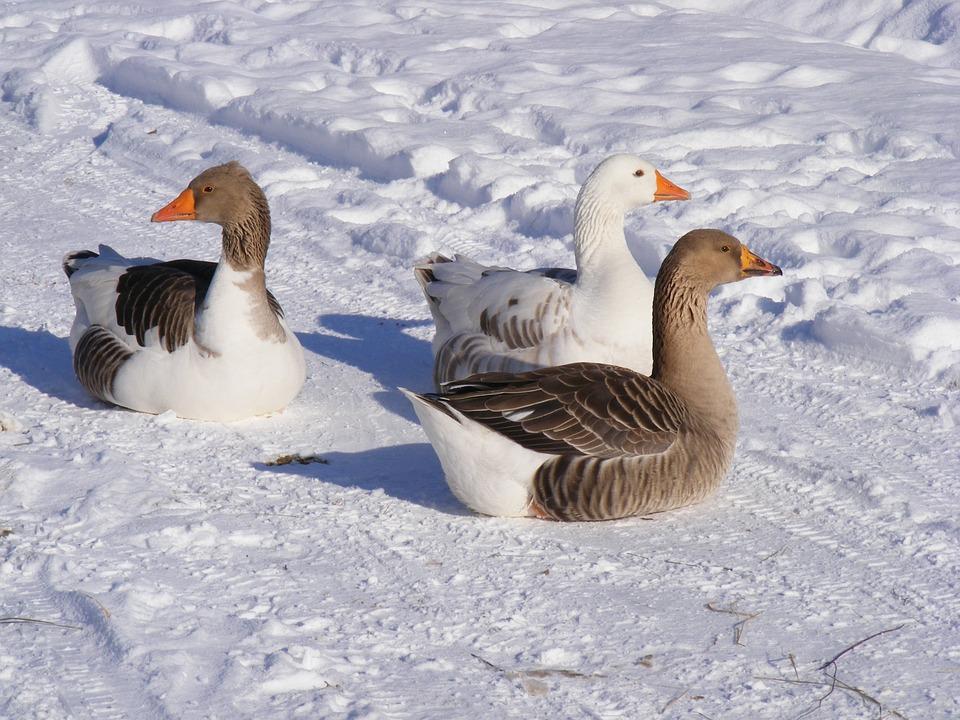
Siberia
Warm in extreme cold weather
Siberian White Goose Down
Siberia is one of the coldest regions on the earth. Usually, the icy winter lasts for six months (-40℃ to -60℃), which allows geese to grow out abundant plumages to protect them from the extreme weather. While summer in Siberia lasts for four months (20℃ to 35℃), creating a good condition for goslings to grow. Huge underpopulated areas in Siberia allow geese to grow in natural surroundings with few human control influences. Geese and ducks raised in Siberia have a long breeding period. Therefore, Siberian down usually has massive mature down clusters, higher fill power, and excellent insulation ability, which ranks top level in the global down and feather industry.
Learn more
Siberian White Goose Down
Siberia is one of the coldest regions on the earth. Usually, the icy winter lasts for six months (-40℃ to -60℃), which allows geese to grow out abundant plumages to protect them from the extreme weather. While summer in Siberia lasts for four months (20℃ to 35℃), creating a good condition for goslings to grow. Huge underpopulated areas in Siberia allow geese to grow in natural surroundings with few human control influences. Geese and ducks raised in Siberia have a long breeding period. Therefore, Siberian down usually has massive mature down clusters, higher fill power, and excellent insulation ability, which ranks top level in the global down and feather industry.
Germany
Environment builds excelsior quality
German White Goose Down
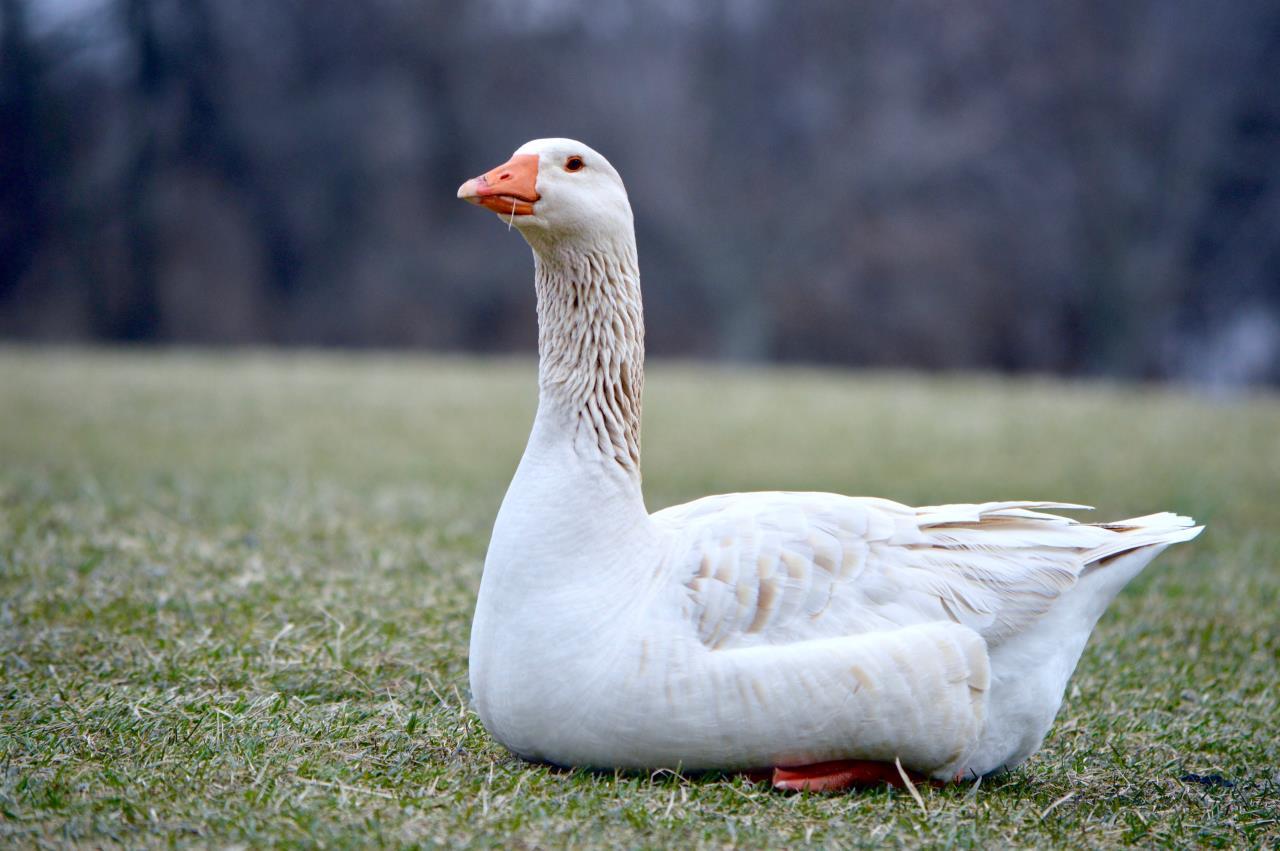
Germany is not a typical country which is famous for down producing, but a sizeable consuming country for down products. The genuine German goose known as Emden Goose is bred in the north and northwest territory of Germany, which is quite famous in the world. Here you will find the geese living freely in the clean and peaceful farms located on grassland, mountains, and lakes. Germany goose is renowned for its large body size and outstanding feather & down quality. Breeders have accumulated rich practical experiences after years of breeding. After plucking, the down and feather are processed to the highest quality standard by a modern and eco-friendly processing factory located along the famous Main River near Wiesbaden in Germany. Because of its scientific management, outstanding quality and less quantity, the Germany White Goose Down is recognized as the luxury products in the feather and down industry.
Learn more
German White Goose Down
Germany is not a typical country which is famous for down producing, but a sizeable consuming country for down products. The genuine German goose known as Emden Goose is bred in the north and northwest territory of Germany, which is quite famous in the world. Here you will find the geese living freely in the clean and peaceful farms located on grassland, mountains, and lakes. Germany goose is renowned for its large body size and outstanding feather & down quality. Breeders have accumulated rich practical experiences after years of breeding. After plucking, the down and feather are processed to the highest quality standard by a modern and eco-friendly processing factory located along the famous Main River near Wiesbaden in Germany. Because of its scientific management, outstanding quality and less quantity, the Germany White Goose Down is recognized as the luxury products in the feather and down industry.
Poland
Highest grade developed by government
Polish Koluda® White Goose Down
Polish National Research Institute of Animal Breeding has started to develop and breed a white goose species since 1962, which is called “White Koluda.” During the Communist Era, the government has successfully developed a pyramid structure of “White Koluda” goose breeding industry throughout the country. All the parental (so-called “Mother Goose”) farms in Poland are ordered to purchase their geese from the unique state-run farm. Meanwhile, all the hatcheries in Poland must acquire licenses from the government, any goose egg is not allowed to be hatched except “White Koluda” goose egg. Even after the free-market economy in the ’90s, this state-monopoly policy continues. This policy provides the transparency and traceability of the distribution channel of “White Koluda” down. Purebred Polish White Goose Down is regarded as one of the biggest down clusters. Polish geese are carefully raised by family-owned farms. Adult goose usually weights 7-13kgs. They grow up in free, quiet surroundings, fed by nutritious avena fatua. Polish goose can live in extremely cold weather (-30℃) accredit to its thick plumages covered on its body.
Learn more
Polish Koluda® White Goose Down
Polish National Research Institute of Animal Breeding has started to develop and breed a white goose species since 1962, which is called “White Koluda.” During the Communist Era, the government has successfully developed a pyramid structure of “White Koluda” goose breeding industry throughout the country. All the parental (so-called “Mother Goose”) farms in Poland are ordered to purchase their geese from the unique state-run farm. Meanwhile, all the hatcheries in Poland must acquire licenses from the government, any goose egg is not allowed to be hatched except “White Koluda” goose egg. Even after the free-market economy in the ’90s, this state-monopoly policy continues. This policy provides the transparency and traceability of the distribution channel of “White Koluda” down. Purebred Polish White Goose Down is regarded as one of the biggest down clusters. Polish geese are carefully raised by family-owned farms. Adult goose usually weights 7-13kgs. They grow up in free, quiet surroundings, fed by nutritious avena fatua. Polish goose can live in extremely cold weather (-30℃) accredit to its thick plumages covered on its body.
France
Gourmet Industry
Barbarie White Duck Down
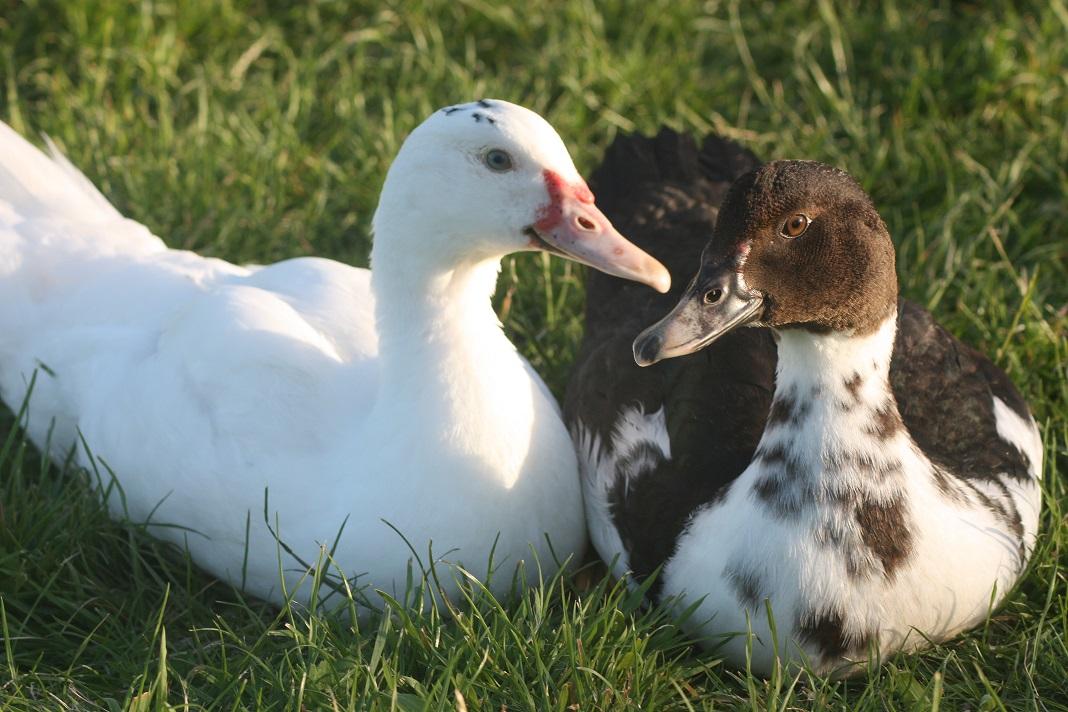
Different from other countries, the development of duck and goose breeding industry in France is driven by the local fanaticism towards goose liver and duck liver. In the 1970s, the unit price for a duck liver values 80% of the total duck price, sometimes even more. The famous Barbarie duck was introduced from South America in the 16th century. It has a large body size, thin skin, and preferably suitable for meat purpose. The taste of delicious Barbarie meat is even comparable to quality beef. Nowadays 95% of the Barbarie ducks are produced from France; therefore, it can be considered as a French exclusive duck breed. It has been lived in the wild for a long time before human domesticate them. It can live in frigid weather (-12℃) becasue Barbarie duck has large and mature down clusters.
Learn more
Barbarie White Duck Down
Different from other countries, the development of duck and goose breeding industry in France is driven by the local fanaticism towards goose liver and duck liver. In the 1970s, the unit price for a duck liver values 80% of the total duck price, sometimes even more. The famous Barbarie duck was introduced from South America in the 16th century. It has a large body size, thin skin, and preferably suitable for meat purpose. The taste of delicious Barbarie meat is even comparable to quality beef. Nowadays 95% of the Barbarie ducks are produced from France; therefore, it can be considered as a French exclusive duck breed. It has been lived in the wild for a long time before human domesticate them. It can live in frigid weather (-12℃) becasue Barbarie duck has large and mature down clusters.
Hungary
“White Gold” of East Europe
Hungarian White Goose Down
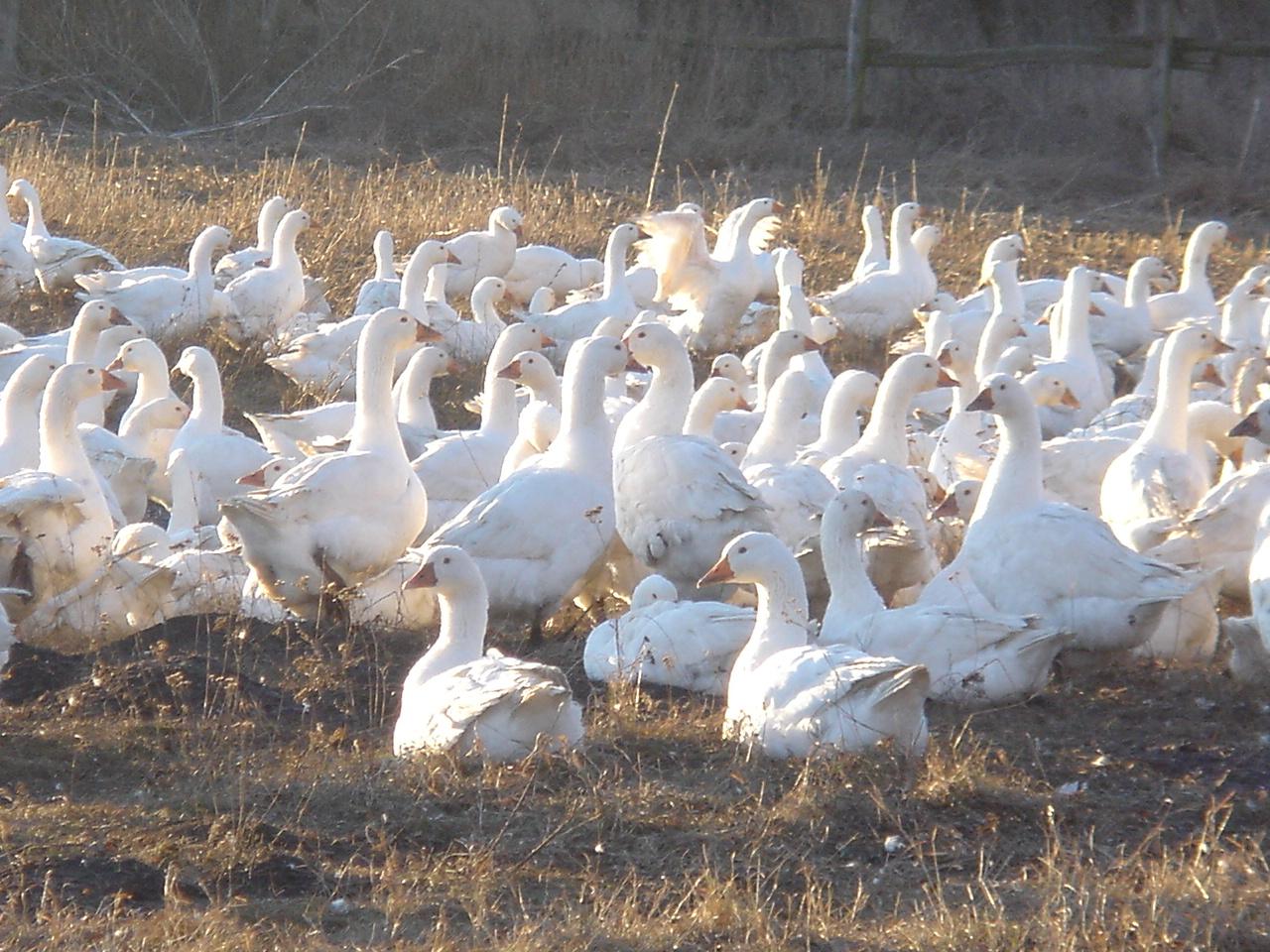
Breeding geese has been a historical tradition in Hungary. Back to Roman Times, Hungary was called Pannónia. The ritual of “geese feast” on Saint Márton’s day (November 11th) has spread all over the world since the middle age.
The geographical conditions in Hungary are ideal for goose breeding. Over half of this country are broad meadows which are suitable for animals to live and reproduce. The rivers and small lakes near these meadows provide sufficient water resources which are essential for breeding.
Hungary belongs to the continental climate, which has four distinctive seasons such as warm summer and cold winter. The temperature difference can reach 10-15℃ within 24 hours. The cold weather encourages the geese to grow out more plumages to against the cold weather.
Learn more
Hungarian White Goose Down
Breeding geese has been a historical tradition in Hungary. Back to Roman Times, Hungary was called Pannónia. The ritual of “geese feast” on Saint Márton’s day (November 11th) has spread all over the world since the middle age.
The geographical conditions in Hungary are ideal for goose breeding. Over half of this country are broad meadows which are suitable for animals to live and reproduce. The rivers and small lakes near these meadows provide sufficient water resources which are essential for breeding.
Hungary belongs to the continental climate, which has four distinctive seasons such as warm summer and cold winter. The temperature difference can reach 10-15℃ within 24 hours. The cold weather encourages the geese to grow out more plumages to against the cold weather.
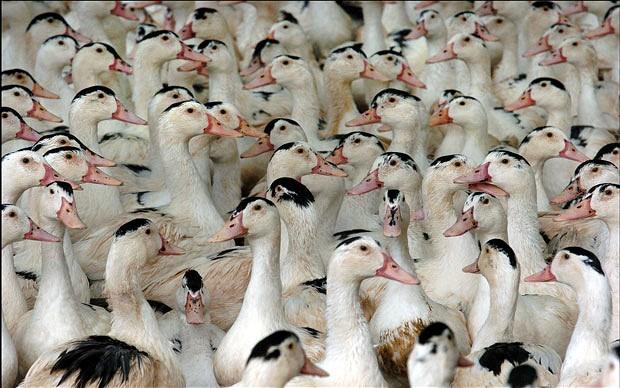
Spain
Pride of Pyrenees
Navarra White Duck Down
In 824 AD, there was an ancient Spanish kingdom on the coast of Atlantic, controlling the Pyrenees Mountains, it was called the kingdom of Navarra. The traditions from ancient kingdom Navarra have been well preserved for centuries, especially the manufacturing skills and techniques to produce high-quality products such as wine, foie gras, smoked salmon, pastrami, bacon, and cheese.
Navarra is also well-known for its high quality-down products. Winter is quite cold and rainy in the Pyrenees Region. Covered with long curved feathers, Navarra ducks live freely and peacefully in the free-range farms. Navarra duck down is one of the best fillings for jackets and beddings, providing soft hand feel and quick resilience. It is recognized as the “Pride of Pyrenees.” Navarra ducks are raised by traditional and efficient methods. They are generally bred for 14 weeks in free-range farms, fed on 100% vegetarian fodder. The breeders strictly comply with the environmentally friendly regulations and special hygiene requirements during the breeding.
Learn more
Navarra White Duck Down
In 824 AD, there was an ancient Spanish kingdom on the coast of Atlantic, controlling the Pyrenees Mountains, it was called the kingdom of Navarra. The traditions from ancient kingdom Navarra have been well preserved for centuries, especially the manufacturing skills and techniques to produce high-quality products such as wine, foie gras, smoked salmon, pastrami, bacon, and cheese.
Navarra is also well-known for its high quality-down products. Winter is quite cold and rainy in the Pyrenees Region. Covered with long curved feathers, Navarra ducks live freely and peacefully in the free-range farms. Navarra duck down is one of the best fillings for jackets and beddings, providing soft hand feel and quick resilience. It is recognized as the “Pride of Pyrenees.” Navarra ducks are raised by traditional and efficient methods. They are generally bred for 14 weeks in free-range farms, fed on 100% vegetarian fodder. The breeders strictly comply with the environmentally friendly regulations and special hygiene requirements during the breeding.
Beijing, China
Ancestry from Imperial City
Peking White Duck Down
Beijing locates in the middle of Hebei Province, which is on the southern part of the Liaodong Peninsula and northern part of the Shandong Peninsula. The terrain of Beijing is high in the northwest and low in the southeast. Mountains are located on the west side, north side and northeast side of Beijing, while in the southeast is the Beijing Plain which gently inclining to the Bohai Bay, with a general altitude from 20m to 60m. Such terrain provides natural, comfortable living environment for Peking Duck.
Peking Duck is one of the premium duck species in the world. Emperors in Dynasty Yuan (1271-1368) occasionally hunted this kind of white wild duck during their safaris about 1000 years ago. They bred this duck species for hunting purpose. Such tradition has been continued since that time; later the Peking White Duck has gained good reputations for its tasty meat. In the 1950s, the Peking Duck has been commercialized and bred in western countries. The Peking duck then was gradually improved to Cherry Valley duck and Maple Duck, which is suitable for large-scale and industrial production. Peking Duck down has qualities such as mature clusters, good resilience, high down content, pure white color, and less impurity.
Learn more
Peking White Duck Down
Beijing locates in the middle of Hebei Province, which is on the southern part of the Liaodong Peninsula and northern part of the Shandong Peninsula. The terrain of Beijing is high in the northwest and low in the southeast. Mountains are located on the west side, north side and northeast side of Beijing, while in the southeast is the Beijing Plain which gently inclining to the Bohai Bay, with a general altitude from 20m to 60m. Such terrain provides natural, comfortable living environment for Peking Duck.
Peking Duck is one of the premium duck species in the world. Emperors in Dynasty Yuan (1271-1368) occasionally hunted this kind of white wild duck during their safaris about 1000 years ago. They bred this duck species for hunting purpose. Such tradition has been continued since that time; later the Peking White Duck has gained good reputations for its tasty meat. In the 1950s, the Peking Duck has been commercialized and bred in western countries. The Peking duck then was gradually improved to Cherry Valley duck and Maple Duck, which is suitable for large-scale and industrial production. Peking Duck down has qualities such as mature clusters, good resilience, high down content, pure white color, and less impurity.
Songhua River
Riverside white goose down
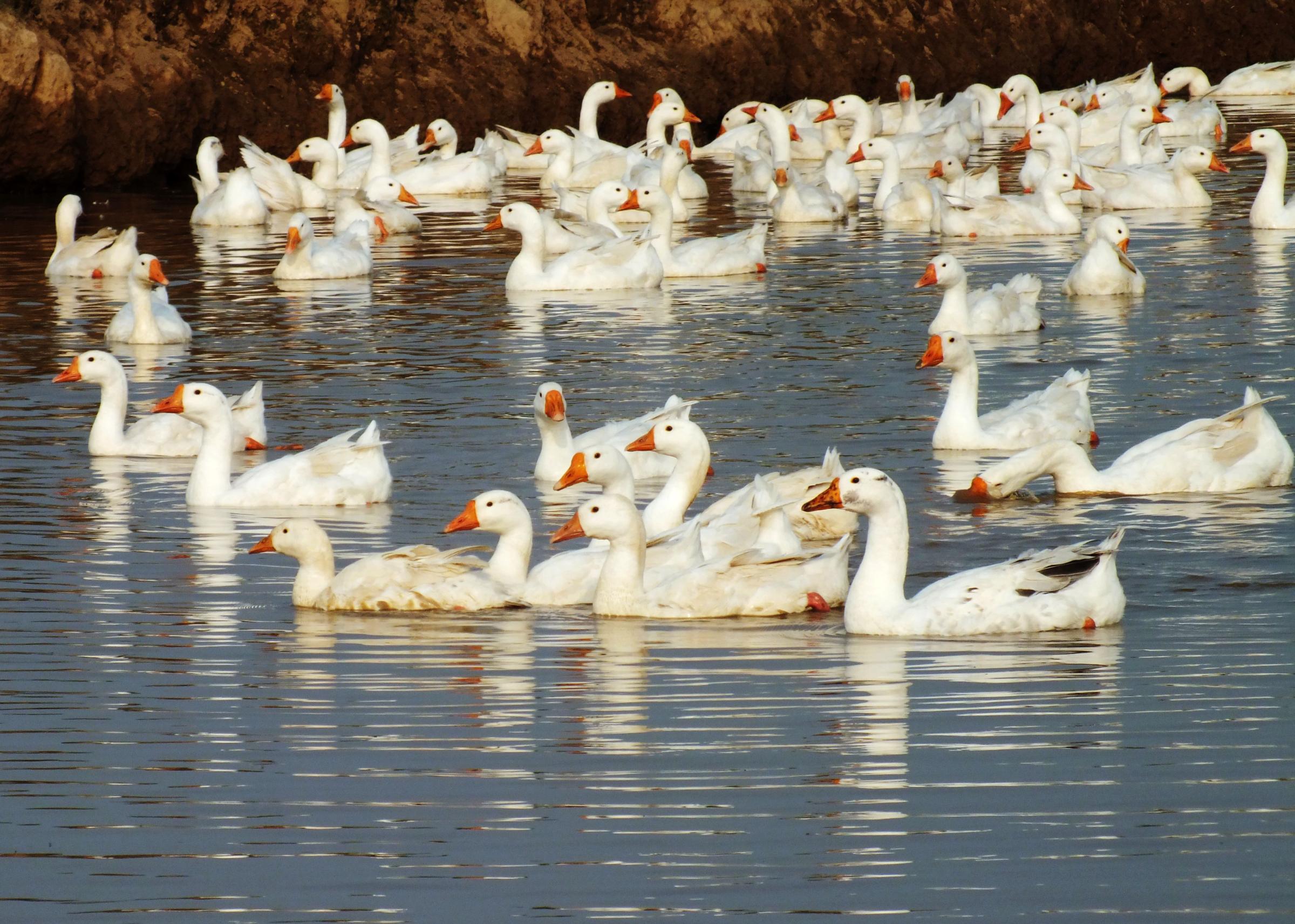
Songhua River® White Goose Down
Songhua River has an elegant name called “Sky River,” which is also called “song a cha li wu la” in Jurchen language. There are over 600 lakes and marshes located in the drainage basin, being the “Heaven” of waterfowl breeding. Songhua river basin belongs to the temperate monsoon climate, which has four distinctive seasons. The highest temperature in summer is around 30℃ but only lasts a short time with moderate rainfall. The lowest temperature in winter is about -30℃ and it lasts for a long period. Its winter season is always snowy and pretty dry. Such condition encourages the geese to grow out more feathers and down to against the freezing temperature. Songhua river White Goose Down has the characteristics of pure white color, high down production and fill power, which is one of the best goose down species in China.
Learn more
Songhua River® White Goose Down
Songhua River has an elegant name called “Sky River,” which is also called “song a cha li wu la” in Jurchen language. There are over 600 lakes and marshes located in the drainage basin, being the “Heaven” of waterfowl breeding. Songhua river basin belongs to the temperate monsoon climate, which has four distinctive seasons. The highest temperature in summer is around 30℃ but only lasts a short time with moderate rainfall. The lowest temperature in winter is about -30℃ and it lasts for a long period. Its winter season is always snowy and pretty dry. Such condition encourages the geese to grow out more feathers and down to against the freezing temperature. Songhua river White Goose Down has the characteristics of pure white color, high down production and fill power, which is one of the best goose down species in China.
Anhui Province, China
Pride of Chinese Down
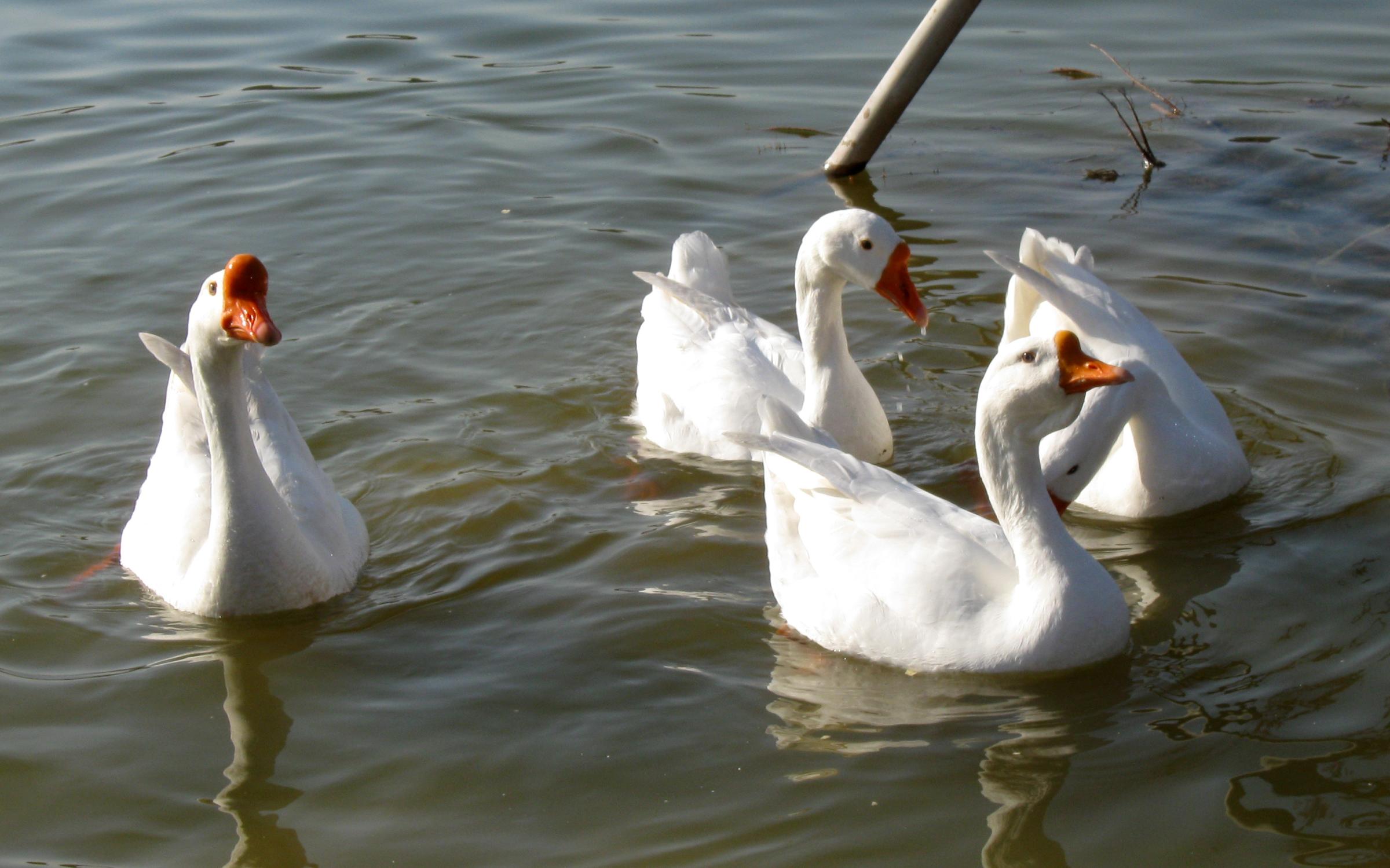
Lion-head White Goose Down
Lu’an City in Anhui Province is the main down producing region for the Wanxi White Goose. The breeding area locates in the western part of Anhui Province, north side of Dabie Mountain is called “Wanxi.” Altitude in the plain is around 30-200m, and the highest mountain in this area is 1774m.
Wanxi White Goose lives in the north boundary of subtropical zone, with a typical monsoon climate and moderate rainfall. It has four distinctive seasons, with adequate sunlight and extended period of frost-free season. Wanxi White Goose has a muscular body, chin-up posture, arched neck, broad chest, and flat back. Snow white down and feathers cover all over its body, on the top of its head there is an orange sarcoid, the shape of its head looks like a lion’s head, it’s also called “Lion-head White Goose.” The Lion-head white goose has high down production ability, pure white plumages, outstanding resilience, high fill power, and mature large down clusters. Each goose can provide about 349g of feathers and 40-50g of down. Down quantity exported from this area weights over 10% of the total quantity of exported Chinese down, which is the top one in China. The skin of lion-head goose can be made into fur coats. The goose skin is soft, light, and warm; it is a quality material for jackets and art wares.
Learn more
Lion-head White Goose Down
Lu’an City in Anhui Province is the main down producing region for the Wanxi White Goose. The breeding area locates in the western part of Anhui Province, north side of Dabie Mountain is called “Wanxi.” Altitude in the plain is around 30-200m, and the highest mountain in this area is 1774m.
Wanxi White Goose lives in the north boundary of subtropical zone, with a typical monsoon climate and moderate rainfall. It has four distinctive seasons, with adequate sunlight and extended period of frost-free season. Wanxi White Goose has a muscular body, chin-up posture, arched neck, broad chest, and flat back. Snow white down and feathers cover all over its body, on the top of its head there is an orange sarcoid, the shape of its head looks like a lion’s head, it’s also called “Lion-head White Goose.” The Lion-head white goose has high down production ability, pure white plumages, outstanding resilience, high fill power, and mature large down clusters. Each goose can provide about 349g of feathers and 40-50g of down. Down quantity exported from this area weights over 10% of the total quantity of exported Chinese down, which is the top one in China. The skin of lion-head goose can be made into fur coats. The goose skin is soft, light, and warm; it is a quality material for jackets and art wares.
Guangdong, Guangxi, Fujian Province China
Pearls from Lingnan
Chinese Muscovy Duck Down
Fujian province, locates in Southeast China, is influenced by subtropical oceanic monsoons, with the annual average temperature of 21 ℃, 240-330 days are frost-free, and yearly precipitation is 1400-2000MM. Principal crops include rice, wheat, sweet potatoes, and peanuts. Fujian has a long, tortuous coastline. Therefore, it has adequate natural duck food resources such as shrimps, fish, snails, loaches, and earthworms. Fujian and Guangdong province have the ideal breeding condition for Muscovy Ducks. Feathers of Black Muscovy ducks are black and dark green, inside their wings only a few feathers are white. Chinese Muscovy White Duck Down is renowned for its bright and white color, large down cluster (about 1500 down clusters /gram), high fill power, high turbidity, which is one of the best duck down in the world, and they are recognized as “Pearls” from Lingnan.
Chinese Muscovy duck is originated from middle and South America. It can live under freezing weather (-12 ℃). It can be easily recognized by its red duckbill. It was introduced to Europe when Columbus found the New Continent in the 16th century. It was finally introduced to Fujian in 1729 by European businessmen. The record in “Quanzhou Prefecture Annual” in 1763 said, “Muscovy duck looks like a duck, but its body size is larger than local goose, it was introduced from abroad.” The Muscovy duck has gradually evolved into Chinese Muscovy Duck through the domestication by local farmers. Chinese Muscovy duck has stable genetic performance, and better adaption ability to the local environment compares to the original Muscovy duck. The primary production areas locate in Fujian, Taiwan, Hainan, Guangdong, and Guizhou Province. Other small farms locate in Guangxi, Zhejiang, Jiangxi, and Hubei Province.
Learn more
Chinese Muscovy Duck Down
Fujian province, locates in Southeast China, is influenced by subtropical oceanic monsoons, with the annual average temperature of 21 ℃, 240-330 days are frost-free, and yearly precipitation is 1400-2000MM. Principal crops include rice, wheat, sweet potatoes, and peanuts. Fujian has a long, tortuous coastline. Therefore, it has adequate natural duck food resources such as shrimps, fish, snails, loaches, and earthworms. Fujian and Guangdong province have the ideal breeding condition for Muscovy Ducks. Feathers of Black Muscovy ducks are black and dark green, inside their wings only a few feathers are white. Chinese Muscovy White Duck Down is renowned for its bright and white color, large down cluster (about 1500 down clusters /gram), high fill power, high turbidity, which is one of the best duck down in the world, and they are recognized as “Pearls” from Lingnan.
Chinese Muscovy duck is originated from middle and South America. It can live under freezing weather (-12 ℃). It can be easily recognized by its red duckbill. It was introduced to Europe when Columbus found the New Continent in the 16th century. It was finally introduced to Fujian in 1729 by European businessmen. The record in “Quanzhou Prefecture Annual” in 1763 said, “Muscovy duck looks like a duck, but its body size is larger than local goose, it was introduced from abroad.” The Muscovy duck has gradually evolved into Chinese Muscovy Duck through the domestication by local farmers. Chinese Muscovy duck has stable genetic performance, and better adaption ability to the local environment compares to the original Muscovy duck. The primary production areas locate in Fujian, Taiwan, Hainan, Guangdong, and Guizhou Province. Other small farms locate in Guangxi, Zhejiang, Jiangxi, and Hubei Province.
- Greenland
- Siberia
- Germany
- Poland
- France
- Hungary
- Spain
- Beijing, China
- Songhua River
- Anhui Province, China
- Guangdong, Guangxi, Fujian Province China